
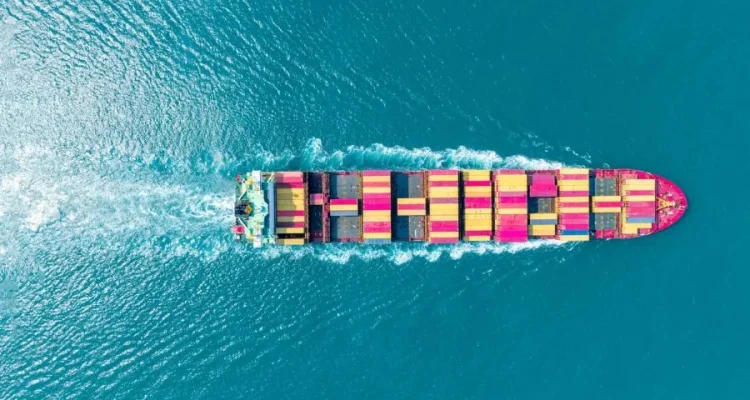
Inland waterways have long been an important part of international trade, providing an efficient way to move large quantities of raw materials, agricultural goods, fuel and industrial products. However, changing weather patterns and prolonged drought conditions in 2026 have exposed the vulnerability of these transportation routes.
Across several regions, declining river levels have created difficulties for commercial vessels, restricted cargo movements and increased pressure on inland transportation networks. For businesses that depend on predictable delivery schedules, these developments are creating new challenges in managing freight costs, cargo availability and supply chain continuity.
The issue is no longer limited to individual shipping operators. It is becoming a wider concern for manufacturers, commodity traders, importers, exporters and logistics providers that rely on inland waterways to connect ports with industrial and commercial centres.
The impact of low water levels has been particularly visible across Europe's major river transportation network.
According to the International Transport Forum (ITF), published in September 2026, major waterways including the Rhine, Danube, Amazon and Yangtze experienced periods of severe low water that disrupted navigation and freight operations.
The situation on the Rhine became especially serious during August. Data reported by Coface showed that water levels at Germany's Kaub measurement station reached just 8 cm on 18 August 2026. At the beginning of August, vessels were reportedly carrying only around 20% of their usual cargo capacity.
The Danube also experienced significant disruption. Statistics Austria reported on 5 October 2026 that freight volumes transported along the Austrian section of the river declined by 56.6% during July and August compared with the same period in 2025. August alone recorded a 73.7% year-on-year decline.
These figures demonstrate how environmental conditions can directly affect transportation performance, even on well-established commercial waterways.
Low water conditions affect more than the physical movement of vessels. They change how cargo owners plan shipments, manage transportation budgets and coordinate deliveries.
1. Greater Uncertainty in Shipment Scheduling
When navigation becomes restricted, shipping operators may need to wait for suitable conditions, change departure schedules or use alternative routes. Even when waterways remain technically open, reduced vessel movements can create backlogs.
For businesses handling time-sensitive international freight, these delays can affect production schedules, customer commitments and inventory availability.
2. Pressure on Cargo Capacity
Vessels require sufficient water depth to operate safely. When rivers become shallow, operators must reduce the weight of cargo carried on each journey.
This creates a capacity problem: transporting the same volume of goods may require more vessels, additional journeys or a combination of transportation methods.
3. Additional Financial Pressure
Low-water surcharges, increased handling requirements and the cost of alternative transportation can raise overall shipping expenditure.
A September 2026 analysis by Coface highlighted how restricted navigation on the Rhine and Danube placed additional financial pressure on European industries.
For importers and exporters, these expenses can affect landed cargo costs and make transportation quotations more difficult to predict.
One less visible consequence of waterway restrictions is the pressure they create on warehouses and distribution networks.
When cargo arrives later than expected, businesses may struggle to maintain planned stock levels. Manufacturing companies can face shortages of essential materials, while distributors may experience delays in fulfilling customer orders.
At the same time, shipments transferred from barges to road or rail transportation can require additional coordination between terminals, transport operators and storage facilities.
This is where well-organised warehousing services and inventory planning become important. Businesses need to understand how transportation delays may affect stock availability and arrange suitable storage or alternative delivery schedules.
For logistics providers, maintaining communication across the entire transportation chain is essential to preventing one delay from affecting multiple shipments.
The transportation industry is increasingly recognising that relying on a single shipping route can expose businesses to unnecessary risks.
The International Transport Forum's September 2026 factsheet identifies several adaptation measures, including early warning systems, improved water management, shallow-draft vessels and greater use of alternative transportation.
These measures help businesses respond to changing conditions without depending entirely on the recovery of affected waterways.
The developments of 2026 indicate that inland waterway transportation needs stronger long-term resilience. The Central Commission for the Navigation of the Rhine (CCNR), in its September 2026 announcement, highlighted the importance of improved water-level forecasting, low-draught vessels, infrastructure improvements and cooperation between industry stakeholders.
The commission also began developing a Masterplan Rhine in spring 2026 to strengthen the waterway's ability to manage extreme low-water conditions.
For the freight industry, the wider lesson is clear: environmental risks must become part of routine transportation planning rather than being treated as unexpected exceptions.
Heritage International Freight Limited understands the importance of coordinated international freight operations and dependable logistics planning when transportation conditions change.
By combining suitable transportation options, effective shipment monitoring and carefully planned cargo movements, businesses can improve their ability to manage disruptions and maintain supply chain continuity.
As global trade networks become increasingly exposed to environmental uncertainty, working with an experienced freight partner such as Heritage International Freight Limited can help businesses approach changing shipping requirements with greater confidence.
According to Statistics Austria, freight transport on the Austrian section of the Danube decreased by 56.6% during July and August 2026 compared with the same period in 2025, reflecting the impact of persistent drought conditions.
Yes, in many cases vessels can continue operating with reduced cargo loads. However, authorities may introduce navigation restrictions, speed limitations or temporary closures depending on water depth and safety conditions.
Road and rail freight are the main alternatives. Businesses can also use multimodal transportation arrangements that combine different methods to maintain cargo movement.
Businesses can diversify transportation routes, monitor water levels, maintain suitable inventory, coordinate with freight forwarders and use shipment tracking systems to improve visibility and manage delivery expectations.